
Why is Jet Ski Training important and why might you choose to undertake the one day RYA Jet Ski (PWC) Proficiency Course?
This is a question I get asked on many levels from customers with little or no experience of riding jet skis to students training to become Jet Ski Instructors heading off to work on either superyachts or jet ski centres around the world.
I think the quickest and most simple explanation is the danger that an untrained rider could potentially cause to themselves, other water users and the general public. Depending on the model of jet ski, they potentially now have up to 300 HP engines, weigh less than 400 kg and accelerate from 0 – 60 mph in less than 3 seconds with a top speed of 70 mph plus.
To put this power into perspective, if I were to compare this to other performance vehicles it would certainly hold its ground in a drag race against a Supercar or Superbike, neither of which you would consider sticking L plates on and going for a quick spin round the block without any prior training.
The video below demonstrates the acceleration of a performance jet ski:
Before I carry on any further I’d just like to clear one thing up, as from the Intro above it may seem I am writing this article to rule out any fun that can be had out on the water on jetskis. That’s not where this is heading at all, especially as over the last 12 years I have devoted my career to building up a company whose main activity is the ‘Jetski Safari Experience.’ This activity is a chance for the general public with little or no jetskiing experience to learn to drive and handle these amazing watercraft under the guidance of a RYA Personal Watercraft Instructor. So yes jet skis are a lot of fun but need to be used responsibly.
So apart from the obvious power of Personal Watercraft why else is jet ski training important?
Whilst some jetskiers will look to use them on inland lakes, the majority of people will look to launch and use their jet skis on coastal waters. This inherently means that they will come up against a range of other vessels whilst driving out on the water.
When considering our operating location in Poole Harbour, in the short space of crossing the harbour it is not uncommon to pass a complete range of vessels; from cross channel ferries, sailing boats, motorboats, fishing boats and many more.
Learning about the basic rules on the water – also known as the collision regulations or IRPCS (International regulations for Prevention of Collision at Sea) or in more layman’s terms a Highway Code for the sea – will give riders a much greater awareness to avoid any potential collisions. As well as collision regulations riders should also learn to look at any local byelaws before launching so they are aware of speed limits, restricted areas and permits required.
It’s also important to remember that these rules change from location to location so there is a need to contact local port authorities to check. If you are planning to use a jet ski internationally you can check our previous post on international rules and regulations for jet skis as a guide for areas permitted etc and you may also found our recent article ‘Do I need a license to ride a jet ski/PWC‘ useful and interesting.
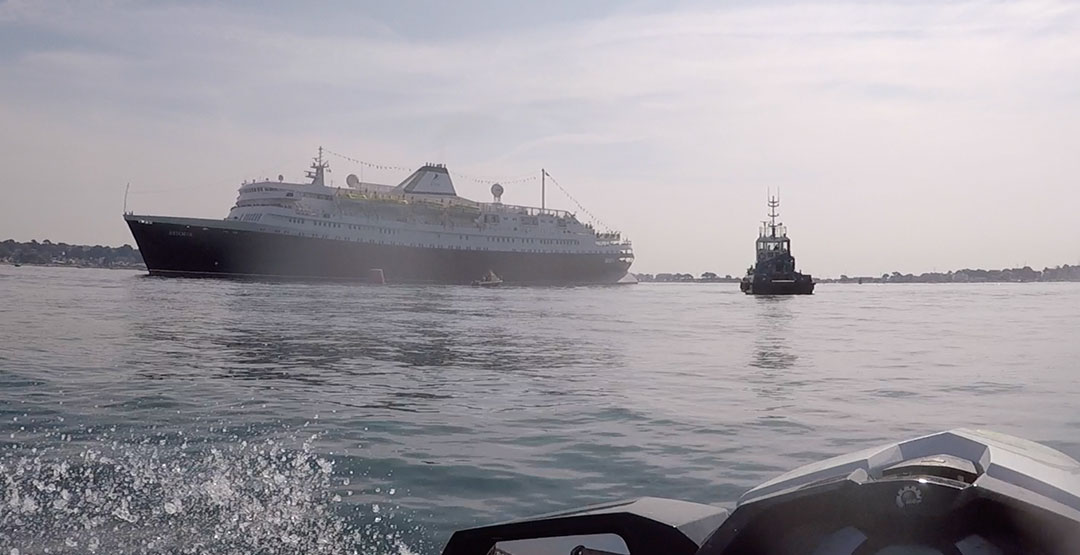
Exploring the coast on a jet ski
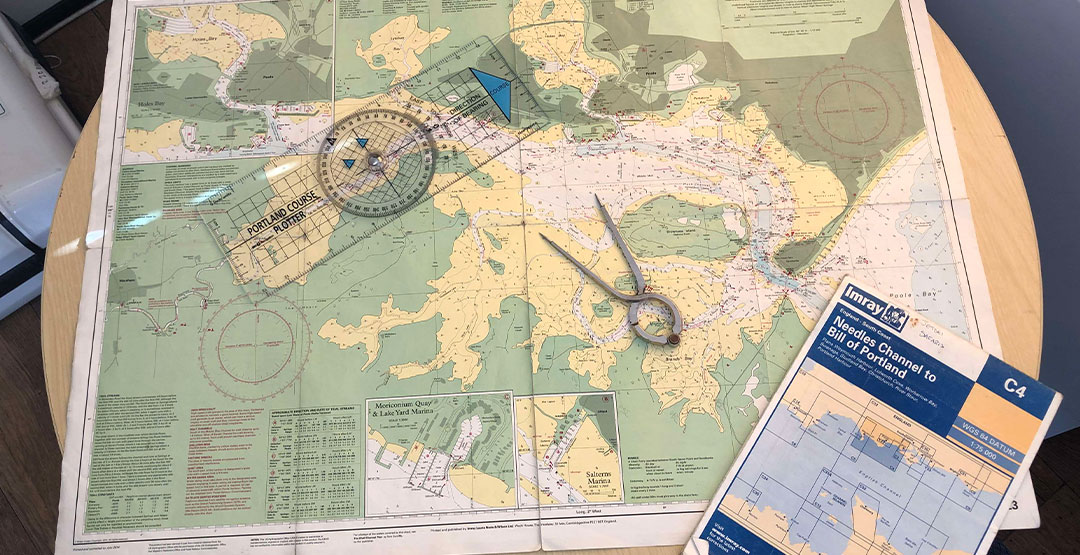
As jet skis have become larger and more powerful with bigger fuel tanks allowing a greater range, they have become an excellent craft for exploring further along the coastline. Part of the RYA Jet Ski (PWC) Proficiency Course is to introduce students to charts, navigation and pilotage. In this short session we are not aiming to make students master mariners with yachtmaster theory skills, but simply aiming for students to walk away with the skills to pick up a chart and make a short passage plan. This will help work out how long it might take them to undertake a certain route to explore a new area. Also how to use a handheld compass to assist them in navigating around these new areas on their jet skis. As well as looking at possible new launch sites to gather basic information such as where they can and can’t go, where the slipways are, speed limits and where they can get fuel.
Looking after your investment
There’s no two ways about it, jet skis are getting more expensive year on year. So as well as the above aspects of training, people are also keen to protect their new toys from any damage. Learning the basics skills of parking alongside a fuel pontoon, friends boat, or driving it up onto a versadock without damaging it are all vital and something that won’t be covered in a dealer handover but would in a RYA PWC Proficiency Training Course.
Weather
Another part of the jet ski training course is to get students to make more informed decisions when looking at weather forecasts about if it is suitable to go out or not and how sea conditions may vary across an area.
This is often educating people away from simply just looking if it is sunny or raining to more in depth forecasts with wind strengths and direction being the most important factors. This knowledge can not just keep you out of danger but make your time on the water a lot more fun.
Hopefully the above information has helped to assure you that Jet Ski Training is important for the safety of the users and other people out on the water. We often find even more experienced riders who undertake a course with us come out learning several new things which they hadn’t previously thought about.
So where can I train to ride a Jet Ski, Personal Watercraft?
There are many RYA Training Centres dotted around the UK’s coastline. Whilst it may seem odd at first that jet skis fall under the Royal Yachting Association, it was a natural area for the RYA to cover considering it already encompassed a wide range of training courses for Powerboating and therefore simply extended its scope and expertise to cover Personal Watercraft.
Traditionally some of these centres were already existing Powerboat Training Centres and have tagged jetskiing on as an additional course. Jetski Safaris was slightly different and unique, as 12 years ago it actually did the opposite and started out as a pure Jet Ski Training Centre which later adopted Powerboat Training. With a dedicated website to Jetski and Powerboat Training, a full time team of Instructors and the UK’s largest and new fleet of jet skis we pride ourselves on offering fantastic courses in the excellent location of Poole Harbour. We run several courses every week all year round.
So whether you are looking to purchase a jetski, have just purchased one or would just like to gain some great experience in riding one, then get in touch with us to book onto a course.
Resources Centre
Do I have to get a license to ride a Jet Ski / PWC?
Whilst currently many areas in the UK do not require a jet ski license to launch or use a jetski, over the last couple of years more areas are starting to require some form of license or evidence of a jet ski training course completed to issue a permit.
How to Prepare for a Jet Ski (PWC) Instructor Course
Invaluable tips from our resident RYA PWC Trainer Ross Ceaton relevant if you are taking your Jet Ski Instructor Course at a land based RYA Training Centre or are Superyacht Crew, and have a RYA PWC Trainer running a course onboard.
Advice for Jetskiing in the Winter
Here at Jetski Safaris we often get asked by customer’s with their own jet skis whether it is possible to carry on riding through the winter. The quick answer is yes. Whilst we don’t offer our Jetski Safari experiences through the winter months we do carry on with our RYA Personal Watercraft Training Courses all year round.
Take a look at our complete range of articles to get the most from your ski
Our Sister company New Wave Club gives you the opportunity to use Powerboats and Jetskis without the hassle of ownership

To see our full range of training courses

Or if you fancy flying over the water why not visit
Jetski Safaris
Contact Us
New Wave Club & New Wave Training (Formerly Jetski Safaris)
Port of Poole Marina,
Poole
E : info@new-wave.club /
About Us
Now in its 19th season, New Wave Club & New Wave Training (Formerly Jetski Safaris) is one of the UK's leading Jetski Experience and Training Centres.
Subscribe
To keep updated with our latest News and Offers across, New Wave Club & New Wave Training.